Understanding the Importance of Home Insulation
Home insulation plays a crucial role in creating a comfortable and energy-efficient living environment. By reducing the transfer of heat between your home’s interior and the outside, home insulation helps maintain a stable temperature year-round. Proper insulation not only keeps your home warmer during winter and cooler in summer but also helps lower energy consumption, which can result in significant savings on utility bills. Additionally, home insulation acts as a sound barrier, reducing noise pollution from the outside and enhancing the overall living experience. Understanding the importance of home insulation is key for homeowners looking to improve comfort, energy efficiency, and long-term savings. Investing in quality insulation can make a noticeable difference in both your home’s performance and your financial health.
How Home Insulation Enhances Energy Efficiency
Home insulation plays a pivotal role in enhancing energy efficiency for homeowners in Lancashire and Cumbria by reducing the need for constant heating or cooling. Without proper insulation, heat can easily escape in winter, and cool air can be lost in summer. Insulation helps to keep these temperature extremes from affecting the internal environment, ensuring that your HVAC system doesn’t have to work harder than necessary. This leads to a more consistent temperature indoors, making your home more comfortable and less reliant on artificial climate control.
Moreover, energy efficiency is directly linked to cost savings. Insulated homes require less energy to maintain an ideal temperature, resulting in lower energy consumption and reduced utility bills. Whether you’re cooling your home in the summer or heating it in the winter, home insulation is an essential element that not only reduces your carbon footprint but also minimizes the financial burden of high energy bills. Proper insulation means that your energy efforts are being used more effectively and efficiently.
The Role of Home Insulation in Seasonal Comfort
One of the most immediate benefits of home insulation is its ability to maintain comfort levels throughout the year. In the winter months, properly insulated homes retain warmth, preventing drafts and cold spots. This reduces the need for your heating system to work overtime, keeping your home cozy without spiking energy bills. Insulation in areas like attics and walls also helps prevent moisture buildup, which can cause mold and mildew during colder seasons, further enhancing indoor comfort.
In summer, home insulation works similarly by blocking the excessive heat that would otherwise seep into your living spaces. By preventing heat from entering your home, insulation helps maintain a cooler, more comfortable environment without overusing air conditioning. This dual function of insulation—keeping warmth in during the winter and blocking heat in the summer—creates a balanced environment that ensures year-round comfort. Investing in good home insulation enhances the overall livability of your space, regardless of the season.
Cost Savings Through Proper Home Insulation
One of the most significant financial advantages of home insulation is the potential for long-term cost savings. Insulation helps regulate the temperature inside your home, reducing the workload of your heating and cooling systems. This means that you can maintain a comfortable temperature without relying as much on your HVAC system, leading to lower energy bills. Over time, these savings add up and offset the initial cost of installing high-quality insulation materials, making it a smart investment.
In addition to direct energy savings, home insulation can also extend the lifespan of your heating and cooling systems. By reducing the constant strain on these systems, you can avoid expensive repairs or premature replacements. Moreover, energy-efficient homes often see increased resale value, as potential buyers are aware of the long-term savings insulation provides. Proper home insulation is not just about saving money on utility bills—it’s a key factor in the overall financial health of your property.
The Environmental Benefits of Home Insulation
Home insulation plays a crucial role in reducing a home’s environmental impact. By enhancing the energy efficiency of your home, insulation helps reduce the amount of energy required to maintain a comfortable living space. This leads to a decrease in the amount of fossil fuels burned to produce energy, which in turn reduces the emission of harmful greenhouse gases. Homes with better insulation consume less energy, making them more eco-friendly and contributing to a more sustainable future.
In addition to energy conservation, home insulation can also decrease the amount of waste produced during the construction or renovation of your home. Well-insulated homes often require fewer resources over time for climate control, which means fewer repairs and replacements. Moreover, many modern insulation materials are made from recycled products, further promoting sustainability. By investing in home insulation, you’re not only improving your home’s comfort and efficiency but also doing your part to protect the planet.
Choosing the Right Home Insulation Materials
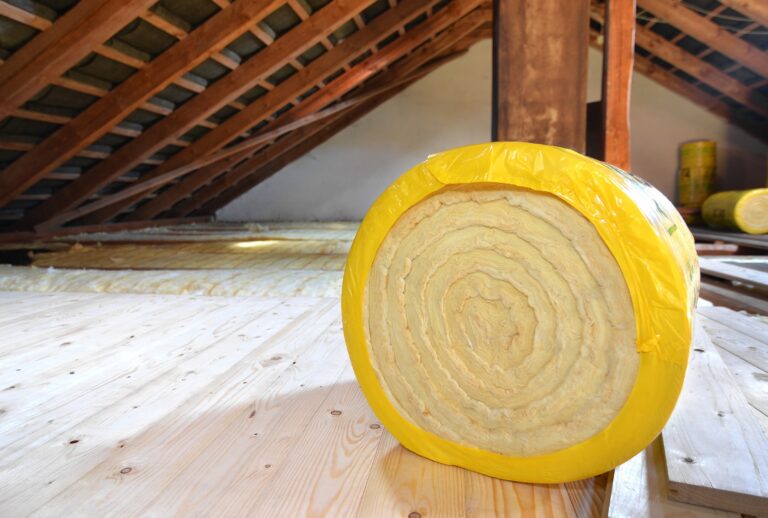
Choosing the right insulation materials is essential for maximizing the benefits of home insulation. There are various options available, including fiberglass, cellulose, spray foam, and rigid foam, each offering different levels of insulation and suitability for different areas of the home. Fiberglass is one of the most common materials and is effective for walls and attics, while cellulose, often made from recycled paper, is an eco-friendly choice that provides excellent coverage. Spray foam offers superior air sealing properties, ideal for areas with irregular shapes and gaps.
The right material depends on several factors, including the climate of your area, the size of your home, and your budget. For example, spray foam insulation is more expensive but offers the best air seal, making it a great option for homes in extreme climates. On the other hand, fiberglass is more affordable and is a popular choice for most homeowners. Consulting with a professional can help ensure that you select the most effective insulation material for your home’s needs and efficiency goals.
How Home Insulation Contributes to Noise Reduction
Home insulation does more than just regulate temperature—it also plays a vital role in reducing noise pollution. Insulation materials such as fiberglass, cellulose, and spray foam absorb sound, preventing noise from traveling through walls, ceilings, and floors. This is especially important for homes in noisy neighborhoods or those with thin walls that transmit sound easily. With the right insulation, you can enjoy a quieter, more peaceful living environment, free from the disturbances of traffic, neighbors, or outside noise.
In addition to external noise, insulation also helps control sound within the home. For instance, rooms like bedrooms, home offices, and bathrooms benefit from reduced sound transmission, allowing for greater privacy. By controlling both external and internal noise, insulation contributes to a more comfortable and serene home. Whether you’re looking to block street noise or reduce sound from one room to another, home insulation offers a simple and effective solution for better acoustics.
Home Insulation and Its Impact on Property Value
Investing in home insulation can have a significant impact on the value of your property. Homes that are well-insulated tend to be more energy-efficient, which is an attractive feature for potential buyers. As energy costs continue to rise, many homebuyers are actively seeking homes that offer long-term savings on utilities. Proper insulation not only ensures year-round comfort but also provides a sense of financial security by reducing monthly energy bills, making the home more appealing in the real estate market.
Additionally, homes with good insulation are often seen as more environmentally friendly, which appeals to eco-conscious buyers. A well-insulated home offers better climate control, which can enhance overall livability. With the rising demand for energy-efficient homes, investing in insulation can set your property apart, increasing its market value and attractiveness to prospective buyers. Whether you’re planning to sell or simply want to improve your home’s worth, proper insulation is a wise investment in the long run.
Let us Help You Reduce Your Energy Bills
Understanding the importance of home insulation is key to enhancing energy efficiency, improving comfort, and reducing long-term costs. Proper insulation not only maintains a comfortable temperature year-round but also helps reduce your environmental footprint and boost your property’s value. With a range of insulation options available, Fylde Insulation is here to guide you through the best solutions tailored to your home’s unique needs. If you’re ready to improve your home’s energy performance, contact Fylde Insulation today.
Call us at 07912 439073 for a consultation, and let us help you make your home more comfortable and energy-efficient. Based in Blackpool, we are dedicated to providing quality insulation services that ensure long-lasting results. Don’t wait—take the first step towards a more sustainable and cost-effective home today!