The Impact of Loft Insulation on Lowering Your Energy Bills
Loft insulation plays a critical role in improving the energy efficiency of your home, significantly reducing the cost of heating and cooling. By installing high-quality loft insulation, you create a barrier that prevents heat from escaping in the winter and keeps your home cool during the summer. This simple yet effective improvement can lead to substantial savings on your energy bills. Not only does loft insulation help regulate your home’s temperature, but it also contributes to a more comfortable living environment. With energy prices constantly fluctuating, making the investment in loft insulation is a smart decision that pays off in both the short and long term. If you’re looking to lower your energy consumption, loft insulation is one of the most cost-effective solutions available.
How Loft Insulation Helps Retain Heat in Cold Weather
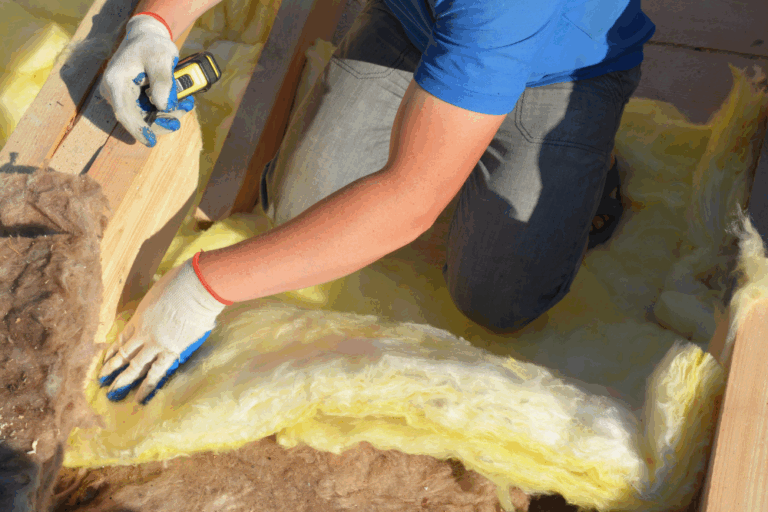
Loft insulation plays a crucial role in maintaining a warm, comfortable environment during the colder months. When properly installed, it acts as a barrier that traps heat inside your home, preventing it from escaping through the roof. Without adequate loft insulation, much of the heat generated by your heating system can escape, leading to an increase in energy usage and higher heating bills. In fact, up to 25% of heat can be lost through an uninsulated loft, causing your home to feel drafty and uncomfortable.
By effectively retaining heat, loft insulation reduces the strain on your heating system. As a result, your home stays warmer for longer without needing to turn up the thermostat. This reduction in energy consumption leads to lower heating bills and a more energy-efficient home. Installing loft insulation is a simple yet impactful way to keep your home cozy while saving on energy costs during the winter.
The Role of Loft Insulation in Summer Cooling Efficiency
While loft insulation is often associated with winter heating, it also plays a significant role in keeping your home cool during the summer months. In the warmer season, excessive heat can enter your home through the roof, causing your living space to become uncomfortably hot. Insulation acts as a barrier that prevents external heat from seeping into your home, helping to maintain a stable indoor temperature. This prevents the need to rely heavily on air conditioning or fans, which can drive up energy bills.
In addition to blocking heat from the outside, loft insulation can also help regulate indoor temperature by preventing the cool air from escaping during the night. By reducing the amount of heat transferred into your home, it contributes to a more comfortable living environment and lowers the need for cooling systems. This dual benefit of loft insulation—both in winter and summer—makes it an essential upgrade for year-round energy efficiency.
Understanding the Energy Savings from Loft Insulation
One of the most compelling reasons to invest in loft insulation is the potential for long-term energy savings. As heat rises naturally, without insulation, it will escape through your roof, meaning your heating system has to work harder to maintain a comfortable temperature. This leads to increased energy consumption, which directly impacts your monthly utility bills. Loft insulation helps mitigate this issue by keeping the heat inside during the winter, allowing your heating system to work more efficiently and consume less energy.
The energy savings from loft insulation can be substantial. On average, properly insulated homes can save up to 25% of the energy used for heating, significantly reducing the overall cost of your energy bills. Although there is an upfront cost for installing insulation, this investment pays off over time as it reduces your energy consumption and lowers monthly heating and cooling expenses. The more energy-efficient your home becomes, the more you save.
How Loft Insulation Reduces the Need for Constant Heating
Loft insulation not only keeps the heat in but also reduces the need for constant heating throughout the day. With inadequate insulation, heat escapes quickly, requiring your heating system to run constantly to maintain the desired temperature. However, once your loft is insulated, the temperature inside your home remains stable for longer periods. This means your heating system doesn’t need to work as hard, and it can be turned down or off when it’s not needed, leading to a reduction in overall energy consumption.
The result is a noticeable decrease in heating costs. In the colder months, having loft insulation means that your home will retain the warmth generated by your heating system, even after the system has been turned off. As the temperature stays more consistent, there’s less of a need for frequent heating cycles. This can translate into significant savings on your energy bills over time, making loft insulation a cost-effective investment for reducing energy consumption.
The Environmental Benefits of Installing Loft Insulation
Beyond the financial savings, loft insulation offers several environmental benefits that contribute to a more sustainable home. By improving your home’s energy efficiency, loft insulation reduces your reliance on fossil fuels for heating. As your heating system requires less energy to maintain a comfortable temperature, fewer greenhouse gases are emitted into the atmosphere. This helps reduce your overall carbon footprint, making your home more environmentally friendly.
In addition to lowering your carbon footprint, loft insulation also supports broader efforts to conserve energy. With less energy being used for heating and cooling, the demand for power from non-renewable energy sources decreases. As more homes adopt energy-efficient practices like loft insulation, the collective reduction in energy consumption can have a significant positive impact on the environment. This simple home upgrade is an easy way to contribute to the fight against climate change.
Factors That Influence the Effectiveness of Loft Insulation
The effectiveness of loft insulation depends on several factors, including the type of insulation used, the thickness of the material, and how well it is installed. Not all insulation materials offer the same level of heat retention, and choosing the right material for your home is essential for maximizing energy savings. Common insulation materials include fiberglass, cellulose, and spray foam, each with its own advantages in terms of heat retention and ease of installation.
The thickness of the insulation also plays a critical role in how well it prevents heat loss. The thicker the insulation, the better it will be at reducing the transfer of heat. Proper installation is equally important—gaps, holes, or poorly installed insulation can significantly reduce its effectiveness. Ensuring that the insulation is applied correctly and covers all areas of the loft is key to maximizing its ability to keep your home warm in the winter and cool in the summer.
The Long-Term Financial Benefits of Loft Insulation
The long-term financial benefits of loft insulation go beyond just lower heating and cooling bills. By investing in quality insulation, you not only reduce your energy consumption but also increase the overall value of your property. Homes with energy-efficient features, such as loft insulation, tend to be more attractive to buyers, particularly as energy efficiency becomes an increasingly important consideration in the real estate market.
In addition, properly insulated homes are often eligible for energy-saving rebates or tax incentives from local governments or utility companies. These incentives can help offset the initial cost of installation. Over time, the ongoing savings on energy bills can recoup the cost of insulation, making it a smart investment for homeowners who want to improve the comfort and energy efficiency of their homes. Loft insulation ultimately pays for itself through reduced utility bills and increased property value.
Conclusion
Installing loft insulation is one of the most effective ways to reduce your energy bills while enhancing the comfort of your home. Not only does it help retain heat during the colder months and keep your home cooler in the summer, but it also contributes to a more sustainable and eco-friendly living environment. With the right loft insulation, you can significantly lower your energy consumption and enjoy long-term savings on your utility bills.
If you’re looking to improve your home’s energy efficiency, Fylde Insulation is here to help. Our team of experts in Blackpool can guide you through the insulation process, ensuring that your home is properly equipped to save energy and reduce costs. Contact us today at 07912 439073 for a consultation and take the first step towards a more energy-efficient home!